
What Are Potable Water Delivery Systems Characterized By?
- Matt Makuch
- 11 minutes ago
- 6 min read

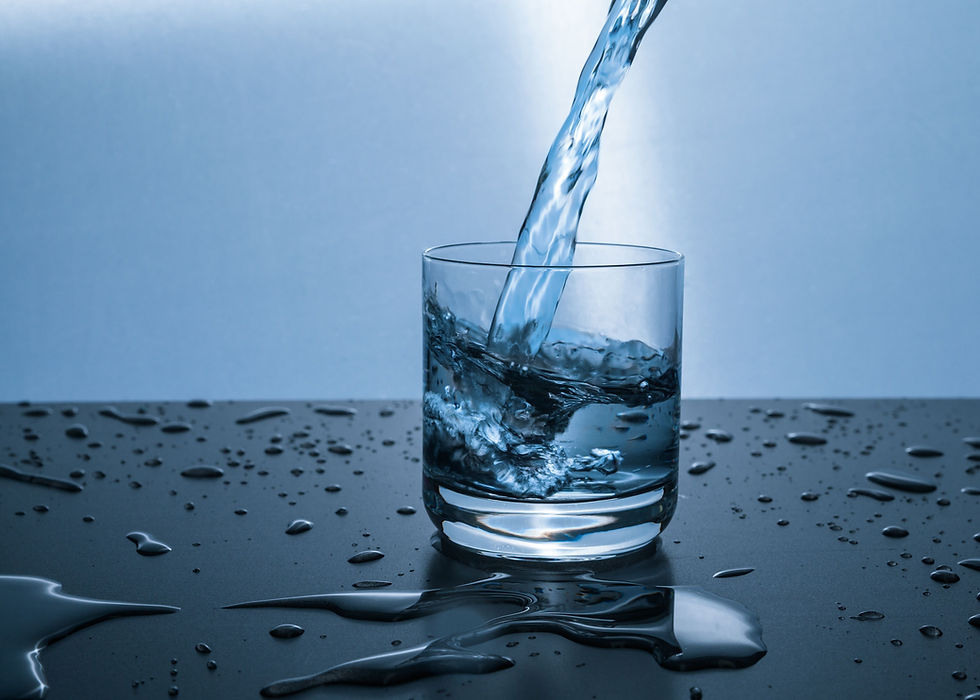
Potable water delivery systems are characterized by safe drinking water, sanitary transportation equipment, protected hoses and fittings, careful handling, and dependable service. Every part of the process should help protect the water from contamination as it moves from an approved source to a home, business, public water system, or storage tank.
In New Hampshire and Massachusetts, potable water may be needed during a well failure, drought, water main problem, construction project, or other emergency. Because the water may be used for drinking, cooking, cleaning, or sanitation, it must receive more careful treatment than water intended only for landscaping or dust control.
What Does Potable Water Mean?
Potable water is water that is suitable for human consumption. It may be used for drinking, preparing food, brushing teeth, washing dishes, and other everyday needs when it is delivered and stored correctly.
Public drinking water systems must meet federal and state health standards. The Safe Drinking Water Act allows the Environmental Protection Agency to establish national standards that limit contaminants in public drinking water supplies. States and public water systems then help carry out and enforce those requirements.
Not every type of bulk water is potable. Water delivered for construction, landscaping, irrigation, fire protection, or recreational uses may not always be intended for consumption. When requesting a delivery, you should clearly explain how the water will be used so the provider can determine the correct source, equipment, and delivery procedure.
What Characterizes Potable Water Delivery Systems?
A reliable system includes more than a tanker filled with water. It combines several safeguards that protect water quality and help the delivery reach its destination safely.
The main characteristics include:
Water obtained from an approved public drinking water source
Clean, properly maintained tanks and transportation equipment
Hoses and fittings suitable for potable water
Protected loading and unloading procedures
Careful coordination with the property owner or water system
Enough capacity to respond to the required volume
Records and procedures that meet applicable state requirements
These features work together. Clean source water can still be placed at risk when it passes through dirty equipment or an unsecured connection. In the same way, a clean truck cannot make untreated or unapproved source water safe for drinking.
Safe Sources and Clean Transportation
The first characteristic of a potable system is a dependable drinking water source. Source water may originally come from reservoirs, lakes, rivers, springs, or groundwater. Public water systems treat, store, and distribute that water according to federal and state drinking water requirements.
Fortin Water obtains most of its water through the City of Manchester’s municipal water system. The company also has access to other city and town public water systems when necessary. Having a direct water supply at its Londonderry facility helps the team prepare loads and respond when emergency service is needed.
Transportation equipment is just as important as the water source. Fortin Water states that its trucks carry potable water and that its water comes from approved public sources. Keeping the tanks limited to clean water applications helps reduce the chance that residues from other liquids will come into contact with the delivered water.
The tankers, valves, pumps, hoses, and fittings must also remain in good working condition. Routine truck and equipment maintenance supports dependable delivery while helping keep the transported water protected throughout the trip.
Secure Connections and Careful Site Planning
Every property has a different setup. Some deliveries can discharge through a standard hose into an accessible storage tank. Others require special fittings, longer hose runs, controlled pressure, or a connection to an existing drinking water system.
Before scheduling potable water delivery, the provider may need to know:
How many gallons are required
Where the water will be stored
What type and size of connection is available
How far the connection is from the road
Whether a pump is needed
Whether the tanker can safely reach the property
Whether a public water system operator will be present
Fortin Water specializes in working through unusual connection requirements. Its team can discuss fittings, flanges, hoses, access, and other site details before the truck arrives. The company operates tankers that can carry up to 6,000 gallons, along with a smaller 3,000-gallon truck for locations with tighter access.
Planning also protects the property. A full tanker is large and heavy, so it may need to remain on the road rather than enter a private driveway. Measuring the distance from the road to the final connection helps determine how much hose will be needed.
Emergency Potable Water Delivery in NH and MA
A dependable potable system must be ready to respond when a normal water supply becomes unavailable. Emergencies may result from drought, pump failure, contamination concerns, a broken water main, loss of pressure, or a damaged private well.
EPA guidance encourages public water utilities and state agencies to prepare emergency drinking water supply plans before a major disruption occurs. These plans address coordination, water sources, distribution, communication, and other steps needed to maintain access to safe water.
Fortin Water is registered with the New Hampshire Department of Environmental Services and has supported public systems and communities during water emergencies. The company operates throughout the year, including during New England’s colder months when freezing temperatures can make water transportation more difficult.
Massachusetts public water systems must follow additional state procedures when using trucked water during an emergency. MassDEP states that water intended for potable use must come from an approved public water system source. An emergency declaration may also be required before a public supplier can use bulk water.
For emergency deliveries to Massachusetts public water systems, state guidance also calls for monitoring disinfectant levels during transportation. The public system or responsible operator should coordinate directly with MassDEP and confirm all current requirements before accepting a load.
Who May Need Potable Water?
Bulk drinking water supports several types of customers throughout New Hampshire and Massachusetts.
Public Water Systems
A municipal or community water system may require temporary water after a mechanical failure, contamination concern, loss of pressure, or supply shortage. These deliveries often require close coordination with system operators and state regulators.
Businesses and Public Facilities
Restaurants, hotels, schools, youth centers, care facilities, resorts, and other businesses depend on running water to operate. When their regular supply fails, a temporary water delivery may help support sanitation and essential operations while repairs are completed.
The receiving system must be able to store and distribute the water safely. Depending on the property and intended use, local or state approval may also be required before operations resume.
Residential Properties
Homeowners may need water when a well runs dry, a pump stops working, or repairs leave the house without a normal supply. A delivery may fill a suitable storage tank or provide another temporary solution while the underlying problem is corrected.
The storage tank and household connection must be clean and designed for drinking water. Delivering potable water into an unclean tank can affect water quality, even when the water arrived from a safe municipal source.
Construction and Temporary Sites
Some construction sites, temporary facilities, and remote work locations need water for drinking, handwashing, food preparation, or sanitation. These uses should be discussed separately from water needed for concrete, dust control, landscaping, or other non-potable work.
Fortin Water serves customers throughout New Hampshire and parts of Massachusetts, including communities such as Bedford, Amherst, Atkinson, Chelmsford, Dracut, and Groton. Availability, pricing, and delivery requirements depend on the location, requested volume, and site setup.
Frequently Asked Questions About Potable Water Delivery
Is all bulk water safe to drink?
No. Bulk water may be supplied for potable or non-potable applications. Tell the delivery company that the water will be used for drinking so the correct source, truck, hoses, and handling procedures can be used.
Can potable water be placed in any storage tank?
No. The receiving tank should be made for potable water and should be clean, closed, and protected from contamination. A tank previously used for chemicals, fuel, wastewater, or an unknown substance should not be used for drinking water without professional evaluation.
How much water can a tanker deliver?
Fortin Water’s full-size trucks can carry up to 6,000 gallons per load. A smaller truck with a capacity of up to 3,000 gallons may be used when access is limited.
Can water be delivered during the winter?
Yes. Fortin Water operates year-round and maintains equipment that can deliver water during below-freezing conditions. Winter deliveries may require additional preparation to prevent hoses, fittings, and receiving connections from freezing.
How should I prepare for a delivery?
Determine the estimated volume, measure the distance from the road to the connection, identify the fitting size, and make sure the receiving tank is ready. Public systems and regulated facilities should also contact the appropriate state agency or system operator to confirm current requirements.
Schedule Potable Water Delivery With Fortin Water
Potable water systems are characterized by more than the quality of the water itself. Safe sources, sanitary tankers, protected equipment, secure connections, careful planning, and reliable response all help preserve drinking water quality from loading through delivery.
Fortin Water provides potable water delivery for residential properties, businesses, public water systems, and emergency needs throughout New Hampshire and Massachusetts. The team can help determine the required volume, discuss special connections, and plan access before the tanker arrives. Call (603) 622-6910 to discuss your water needs and arrange service with Fortin Water.
Follow us on Facebook for more updates!


Comments